
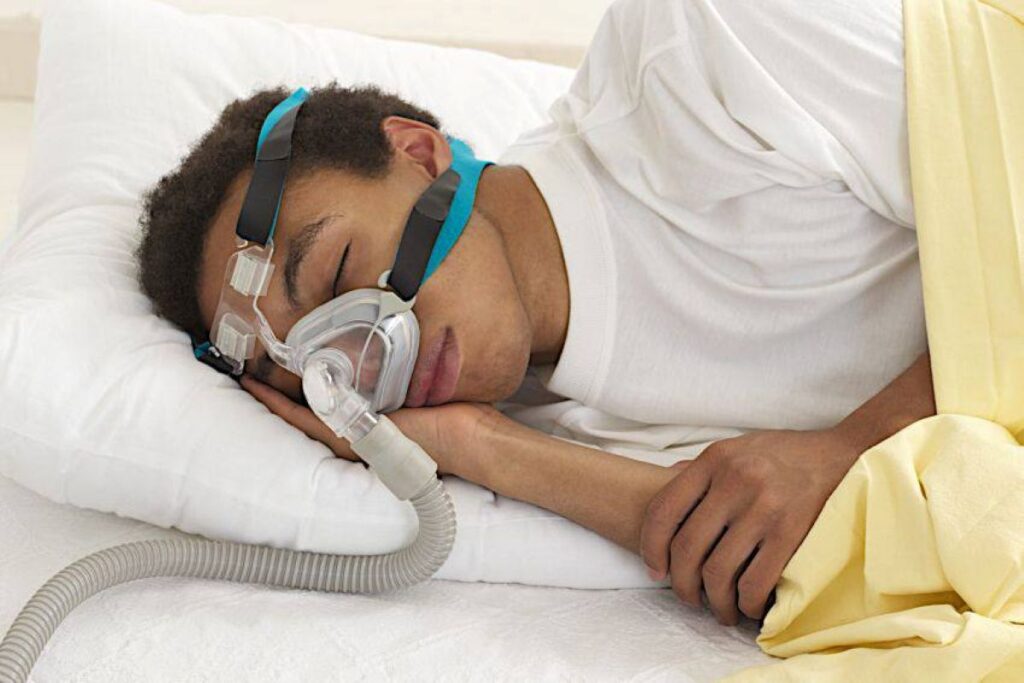
What is a Sleep Study and Why is it Important for Diagnosing Sleep Disorders in Adelaide?
A sleep study is a diagnostic test that monitors your body’s activity during sleep to identify sleep-related health issues. These tests track brain waves, heart rate, breathing patterns, oxygen levels, and body movements throughout the night, creating a comprehensive picture of your sleep quality and potential disorders.
Sleep disorders affect thousands of Adelaide residents, often going undiagnosed for years. Without proper diagnosis, conditions like sleep apnea can lead to serious health complications including cardiovascular disease, diabetes, and chronic fatigue. A sleep study overview Adelaide reveals that these tests are the gold standard for identifying conditions such as:
- Obstructive sleep apnea – repeated breathing interruptions during sleep
- Insomnia – persistent difficulty falling or staying asleep
- Restless leg syndrome – uncomfortable sensations causing leg movement
- Narcolepsy – excessive daytime sleepiness and sudden sleep attacks
- Parasomnias – abnormal behaviors during sleep like sleepwalking
The Adelaide sleep study cost varies depending on the type of test and provider, yet the investment in accurate diagnosis proves invaluable. Sleep disorders diagnosis enables healthcare providers to develop targeted treatment plans specific to your condition. Untreated sleep disorders don’t just affect nighttime rest—they impact workplace productivity, road safety, mental health, and overall quality of life.
Early detection through professional sleep studies allows for timely intervention. Many Adelaide residents experience symptoms for years before seeking help, not realizing their fatigue, mood changes, or concentration difficulties stem from treatable sleep disorders. Understanding the Adelaide sleep study cost and what it covers empowers patients to take the first step toward better sleep health and improved wellbeing.
What Types of Sleep Studies Are Available in Adelaide?
Adelaide offers two primary types of sleep studies: in-lab polysomnography and home sleep tests. Each serves different diagnostic needs and patient circumstances, with distinct monitoring capabilities and testing environments.
What Makes In-Lab Polysomnography the Gold Standard?
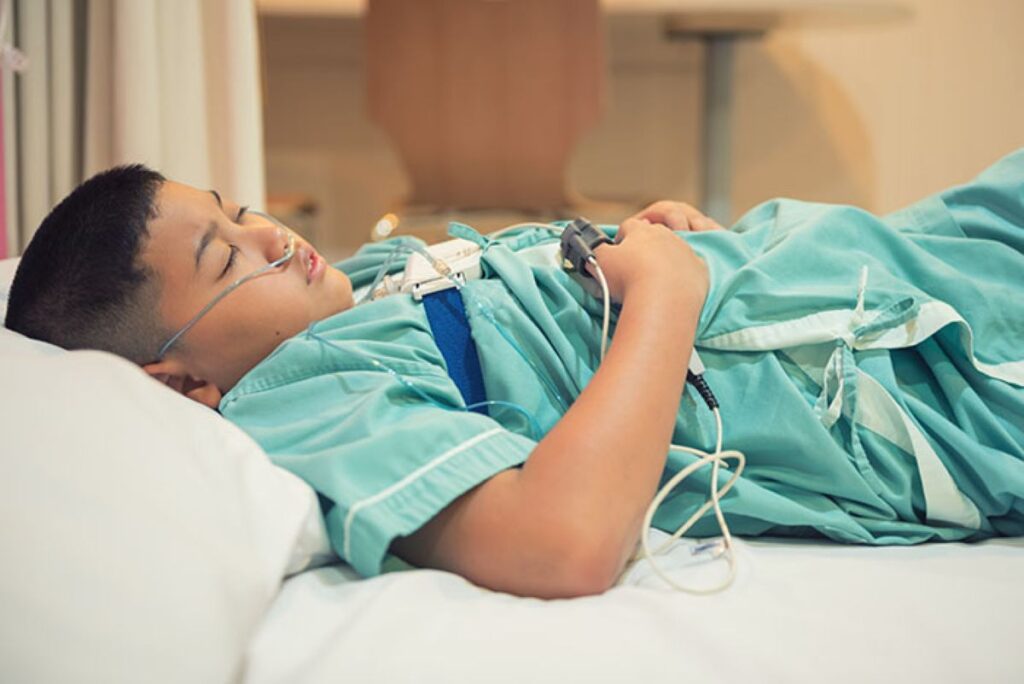
In-lab polysomnography Adelaide clinics provide the most comprehensive sleep disorder assessment available. Patients spend an overnight session at a specialized facility where trained technicians monitor their sleep in real-time using sophisticated equipment.
This method tracks an extensive range of physiological parameters:
- Brain wave activity through electroencephalography (EEG) to identify sleep stages
- Eye movements via electrooculography (EOG) for REM sleep detection
- Muscle activity using electromyography (EMG) to spot movement disorders
- Heart rhythm through electrocardiography (ECG) monitoring
- Breathing patterns and airflow measurements
- Blood oxygen saturation levels throughout the night
- Chest and abdominal movement to assess respiratory effort
- Body position and limb movements
- Audio and video recording to capture behavioral patterns
The controlled environment allows technicians to intervene if issues arise during testing. They can adjust equipment, respond to patient needs, and ensure data quality remains optimal throughout the night. This level of supervision makes in-lab studies particularly valuable for diagnosing complex conditions like narcolepsy, parasomnias, periodic limb movement disorder, and severe sleep apnea.
How Do Home Sleep Tests Provide Convenient Alternatives?
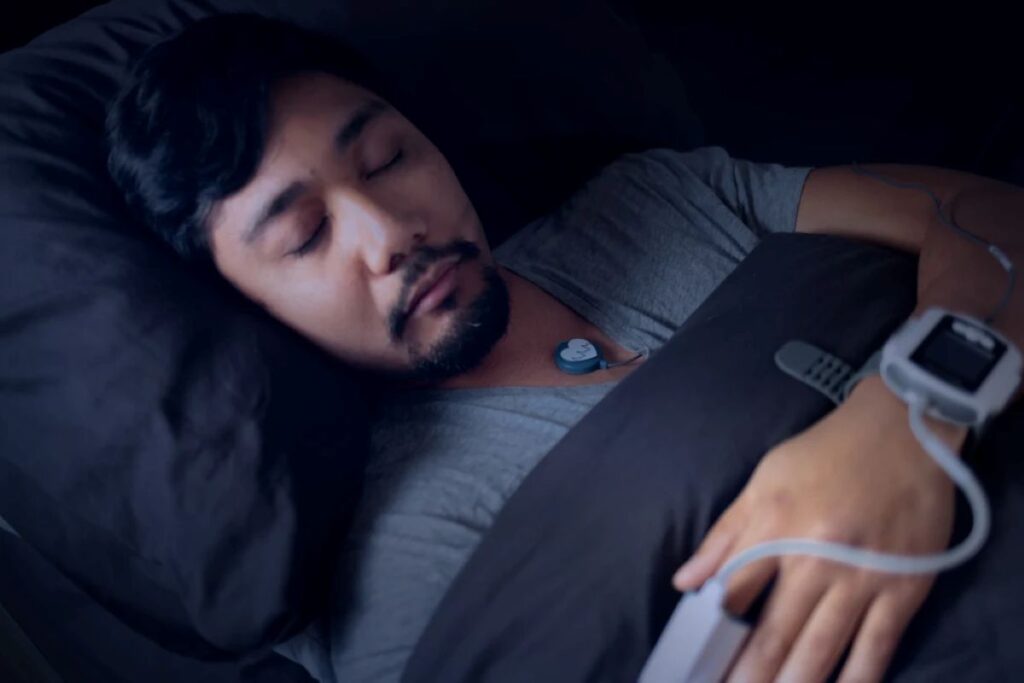
Home sleep tests Adelaide services deliver diagnostic capabilities in the comfort of a patient’s own bedroom. These portable monitoring devices focus on essential parameters needed to identify common sleep-disordered breathing conditions, particularly obstructive sleep apnea.
The typical home testing device measures:
- Airflow through nasal cannulas or thermistors
- Respiratory effort via chest and abdominal bands
- Blood oxygen levels using pulse oximetry
- Heart rate monitoring
- Body position sensors
- Snoring intensity through acoustic sensors
Patients receive the device from their clinic along with detailed instructions for setup. The equipment attaches easily without technical expertise, allowing individuals to sleep in their natural environment
What Factors Influence the Cost of Sleep Studies in Adelaide?
The cost of sleep studies in Adelaide can vary greatly depending on several factors. Understanding these factors can help you make an informed decision when choosing a sleep study option that fits your needs and budget.
1. Testing Method
One of the main factors that affect the price of sleep studies is the testing method you choose. There are two primary methods for conducting sleep studies:
- In-lab polysomnography: This is a comprehensive sleep study conducted in a specialized sleep clinic or laboratory. It involves spending the night at the facility where various physiological parameters are monitored using advanced equipment.
- Home sleep tests: These are simpler tests that can be done in the comfort of your own home. They typically involve wearing a portable monitoring device that records specific metrics during your sleep.
The cost of these two methods can vary significantly:
- In-lab polysomnography typically costs between AUD 500 to over 2,000.
- Home sleep tests range from AUD 150 to 800.
The substantial price difference reflects the level of monitoring, staffing requirements, and facility overhead involved in each option.
2. Study Complexity
Another factor influencing the cost of sleep studies is the complexity of the test being performed. The more physiological parameters being monitored during your study, the higher the cost is likely to be.
For example, a basic home sleep test measuring three to four metrics (such as breathing, oxygen levels, heart rate, and body position) will generally cost less than an in-lab study that tracks additional factors like brain wave activity or eye movements.
Complex studies requiring extended monitoring periods or specialized sensors may also incur additional charges. Patients suspected of having multiple sleep disorders or those needing detailed neurological assessment typically require more extensive testing protocols, which can drive up costs.
3. Equipment Sophistication
The sophistication of the equipment used for sleep studies can also impact pricing. Clinics that use modern, calibrated diagnostic devices with advanced data analysis capabilities may charge higher fees compared to those using outdated or basic equipment.
While it may be tempting to opt for cheaper options, it’s important to consider the potential risks associated with such choices. Poorly maintained or inferior-quality equipment could lead to incomplete data collection or misdiagnosis, ultimately affecting your treatment plan and outcomes.
4. Geographic Location
The location of the clinic offering sleep studies can influence their pricing as well. Generally speaking, facilities located in central business districts or affluent suburbs tend to have higher operational costs (such as rent and utilities) which may be reflected in their rates.
On the other hand, clinics situated in outer suburbs might offer more competitive pricing while still maintaining quality standards. It’s worth exploring different options across Adelaide’s metropolitan and suburban areas to find a balance between convenience and affordability.
5. Reputation and Accreditation Status
Finally, it’s important to consider the reputation and accreditation status of a clinic when evaluating their pricing structure. Established facilities with recognized credentials may command higher fees due to their track record of providing reliable diagnoses and effective treatments.
While cost should not be the sole deciding factor when choosing a sleep study provider, it is certainly an important consideration alongside other aspects such as expertise, reviews from previous patients, and success rates in managing specific conditions.
By understanding these key factors that influence the cost of sleep studies in Adelaide—testing method chosen; complexity involved; sophistication level required; geographic location considered; reputation established—you’ll be better equipped to navigate this process effectively!
How Does Medicare and Private Health Insurance Affect Sleep Study Costs?
Can Medicare help cover my sleep study expenses?
Medicare provides rebates for sleep studies when a general practitioner refers you for diagnostic testing. The Medicare Benefits Schedule (MBS) includes specific item numbers for sleep studies, covering a portion of the total cost regardless of whether you choose in-lab polysomnography or a home sleep test. To qualify for Medicare coverage sleep study rebates, you must obtain a valid GP referral that documents your symptoms and the medical necessity for the investigation.
The rebate amount varies based on the type of study performed. In-lab polysomnography typically attracts higher Medicare rebates due to its comprehensive nature, while home sleep tests receive smaller rebates reflecting their simpler monitoring approach. Patients should verify current MBS item numbers with their provider, as these determine the exact rebate amount you’ll receive.
What role does private health insurance play in reducing costs?
Private health insurance benefits can significantly reduce your out-of-pocket expenses when undergoing a sleep study in Adelaide. Most hospital cover policies include sleep studies under their diagnostic procedures or hospital treatment categories, though the level of coverage depends on your specific policy tier and any applicable waiting periods.
Policies with higher premium levels generally offer more comprehensive coverage, potentially reducing your gap payment to minimal amounts or eliminating it entirely. Many Adelaide sleep clinics have established partnerships with major private health insurers, creating preferred provider arrangements that maximize your benefits. Before booking, contact your insurer to confirm:
- Your current level of coverage for sleep studies
- Any waiting periods that apply to your policy
- Whether your chosen clinic is a preferred provider
- The estimated gap payment you’ll face
What are gap payments and how do they work?
Gap payments represent the difference between what your sleep study costs and what Medicare and private health insurance combined will cover. Even with both Medicare coverage sleep study rebates and private health insurance benefits, many patients still face gap payments ranging from AUD 100 to over AUD 1,000 depending on the clinic and study type.
The gap amount depends on several variables:
- The clinic’s fee structure and whether they charge above the Medicare schedule fee
- Your private health insurance policy’s coverage limits
- Whether the clinic participates in your insurer’s gap cover schemes
Click here to get more at-home sleep test to improve your sleep quality.
What Services Are Typically Included in the Sleep Study Cost?
The diagnostic services included in a sleep study cost extend beyond the overnight monitoring itself. Most Adelaide clinics bundle pre-study consultations, the actual testing period, and initial report analysis into their quoted price. This comprehensive approach ensures patients receive a complete diagnostic package rather than facing unexpected additional charges.
Pre-Study Consultation Services
A pre-study consultation forms the foundation of accurate sleep disorder diagnosis. During this appointment, sleep specialists review your medical history, current symptoms, medications, and lifestyle factors that might affect sleep quality. The consultation typically lasts 20-40 minutes and helps clinicians customize the monitoring protocol to your specific concerns.
Clinicians use this time to explain what equipment will be used, how sensors attach to your body, and what behaviors to avoid before testing (such as caffeine consumption or daytime napping). Patients who understand the process beforehand tend to sleep more naturally during the study, producing more reliable diagnostic data. Some clinics also provide sleep diaries or questionnaires to complete before the test, which are included in the overall cost.
Monitoring and Data Collection During Testing
The actual monitoring phase tracks multiple physiological parameters simultaneously. In-lab polysomnography records:
- Brain wave activity through electroencephalography (EEG) to identify sleep stages
- Eye movements via electrooculography (EOG) to detect REM sleep
- Heart rate and rhythm using electrocardiography (ECG)
- Breathing patterns through nasal airflow sensors and chest/abdominal belts
- Blood oxygen saturation with pulse oximetry
- Leg movements using electromyography (EMG)
- Body position throughout the night
Home sleep tests monitor a reduced set of parameters, typically focusing on breathing, oxygen levels, heart rate, and body position. The equipment rental, data storage, and initial technical review are all incorporated into the quoted study cost. Trained sleep technologists monitor in-lab studies in real-time, making adjustments to equipment if sensors become dislodged during the night.
Post-Study Analysis and Reporting
After data collection, sleep physicians analyze the recordings to identify abnormal patterns. This analysis is included in the standard sleep study cost and typically
Why Is Choosing a Quality Provider Important for Accurate Diagnosis?
The accuracy of your sleep study results depends heavily on the expertise of the medical professionals interpreting your data and the quality of equipment used during testing. Selecting a reputable sleep clinic in Adelaide directly impacts whether you receive a correct diagnosis and appropriate treatment plan.
What role do respiratory physicians play in sleep study accuracy?
Respiratory physicians specializing in sleep medicine bring advanced training that general practitioners may lack. These specialists understand the nuances of complex sleep disorders and can distinguish between conditions that present similar symptoms. A clinic staffed by qualified respiratory physicians ensures your results are analyzed by professionals who regularly diagnose and treat sleep-related breathing disorders, movement disorders, and circadian rhythm disruptions.
Many Adelaide clinics employ GPs with additional sleep medicine certifications, which provides adequate expertise for straightforward cases. Patients with suspected complicated conditions—such as central sleep apnea combined with other respiratory issues—benefit from specialists who can identify subtle patterns in the data that less experienced practitioners might overlook.
How does equipment quality affect diagnostic accuracy rates?
Modern, calibrated equipment captures precise measurements of brain activity, oxygen saturation, airflow, and muscle movements. Outdated or poorly maintained devices may produce incomplete data or false readings, leading to misdiagnosis or missed diagnoses. Sleep clinic quality Adelaide standards require regular calibration and maintenance schedules to ensure reliable results.
High-quality polysomnography systems record multiple channels simultaneously with minimal signal interference. This comprehensive data collection allows specialists to:
- Detect subtle breathing interruptions that indicate mild sleep apnea
- Identify periodic limb movements associated with restless leg syndrome
- Distinguish between different sleep stages with precision
- Measure oxygen desaturation events accurately
Clinics investing in advanced technology demonstrate their commitment to diagnostic excellence. Patients should ask about the age of equipment, calibration frequency, and whether the clinic uses hospital-grade monitoring systems.
What should patients look for in provider reliability?
Patient satisfaction scores and clinical outcomes reveal how effectively a sleep clinic delivers accurate diagnoses and supportive care. Reliable providers maintain transparent communication about their diagnostic accuracy rates, staff qualifications, and accreditation status. Adelaide patients can research clinic reputations through:
- Online reviews focusing on diagnostic accuracy and staff professionalism
- Accreditation from recognized bodies such as the Australian Sleep Association (ASA) or the Royal Australasian College of Physicians (RACP)
- Recommendations from primary care physicians or other healthcare professionals involved in their care
What Should Patients Expect After Completing a Sleep Study?
Patients receive a comprehensive treatment plan within 7-14 days after their study, combining lifestyle modifications with medical interventions tailored to their specific diagnosis. The approach addresses the root causes of sleep disorders while providing immediate symptom relief through evidence-based therapies.
What lifestyle changes typically accompany medical treatment?
Treatment plans in Adelaide integrate behavioral modifications with medical interventions to maximize effectiveness. Sleep specialists recommend weight management for patients with sleep apnea, as excess weight contributes to airway obstruction. Alcohol reduction, smoking cessation, and establishing consistent sleep schedules form the foundation of most treatment protocols.
Positional therapy helps patients who experience worse symptoms when sleeping on their backs. Dietary adjustments, particularly avoiding heavy meals before bedtime, reduce reflux-related sleep disruptions. Exercise programs improve sleep quality while addressing underlying health conditions that exacerbate sleep disorders.
How does CPAP therapy work for sleep apnea patients?
CPAP therapy serves as the primary treatment for obstructive sleep apnea, delivering continuous pressurized air through a mask to keep airways open during sleep. The CPAP therapy process begins with a detailed fitting session where specialists measure facial dimensions and test multiple mask styles to ensure comfort and proper seal.
Patients receive:
- Initial fitting appointment lasting 45-60 minutes with mask selection and pressure calibration
- Trial period spanning 30-90 days to assess therapy effectiveness and comfort
- Pressure adjustment sessions based on usage data downloaded from the device
- Mask replacement options if initial selections prove uncomfortable during extended use
What ongoing monitoring ensures treatment success?
Follow-up care after sleep study extends beyond initial equipment setup. Clinics schedule regular check-ins during the first three months to review compliance data, address side effects like mask leaks or nasal congestion, and adjust pressure settings. Modern CPAP machines transmit usage statistics wirelessly, allowing specialists to monitor therapy adherence remotely.
Patients typically attend appointments at:
- 2 weeks: Initial adjustment consultation to address immediate concerns
- 1 month: Comprehensive review of usage patterns and symptom improvement
- 3 months: Assessment of long-term compliance and treatment efficacy
How Can Understanding Adelaide Sleep Study Costs Lead to Better Healthcare Decisions?
Understanding Adelaide sleep study costs empowers patients to make informed choices about their sleep health. When you know what influences pricing and what your insurance covers, you can select a provider that balances affordability with quality care.
Coverage options deserve careful evaluation before booking your study. Medicare rebates significantly reduce costs for patients with GP referrals, though gap payments may still apply. Private health insurance policies vary widely in their sleep study coverage—some policies cover the full cost while others only provide partial rebates. Contact your insurer directly to confirm:
- Waiting periods that might delay your coverage
- Specific policy inclusions for sleep diagnostics
- Preferred provider networks offering better rates
- Annual limits on sleep-related claims
Provider quality directly impacts the accuracy of your diagnosis. Choosing a clinic based solely on the lowest price can lead to incomplete data collection or misdiagnosis. Respiratory physicians specializing in sleep medicine and clinics using modern, calibrated equipment deliver more reliable results. Ask potential providers about their diagnostic accuracy rates and patient satisfaction scores before committing.
Why Does Accurate Diagnosis Matter More Than Cost Savings?
An accurate diagnosis forms the foundation of effective treatment. Misdiagnosis or incomplete data from substandard testing can delay proper treatment by months or years, leading to worsening symptoms and additional health complications.
Quality sleep studies identify the specific type and severity of your sleep disorder, enabling targeted interventions. A comprehensive diagnosis reveals whether you need CPAP therapy, lifestyle modifications, medication, or a combination of treatments. This precision prevents trial-and-error approaches that waste time and money.
The value of accurate testing extends beyond immediate cost considerations. Untreated sleep disorders contribute to serious health conditions including cardiovascular disease, diabetes, depression, and workplace accidents. Investing in a thorough diagnostic process with a reputable provider prevents these long-term health and financial consequences.
What Questions Should You Ask Before Booking Your Sleep Study?
Prepare these essential questions when contacting Adelaide sleep clinics:
- What Medicare rebates apply to your specific test type?
- Does the clinic offer bulk-billing for eligible patients?
- What gap payment should you expect after insurance coverage?
- How long is the typical wait time for appointments?